When Your Spouse Is Tired: Recognizing the Signs Before It’s Too Late
Getting married is the easy part. Staying happily married is far more challenging and requires constant attention, compromise, patience, and perseverance.
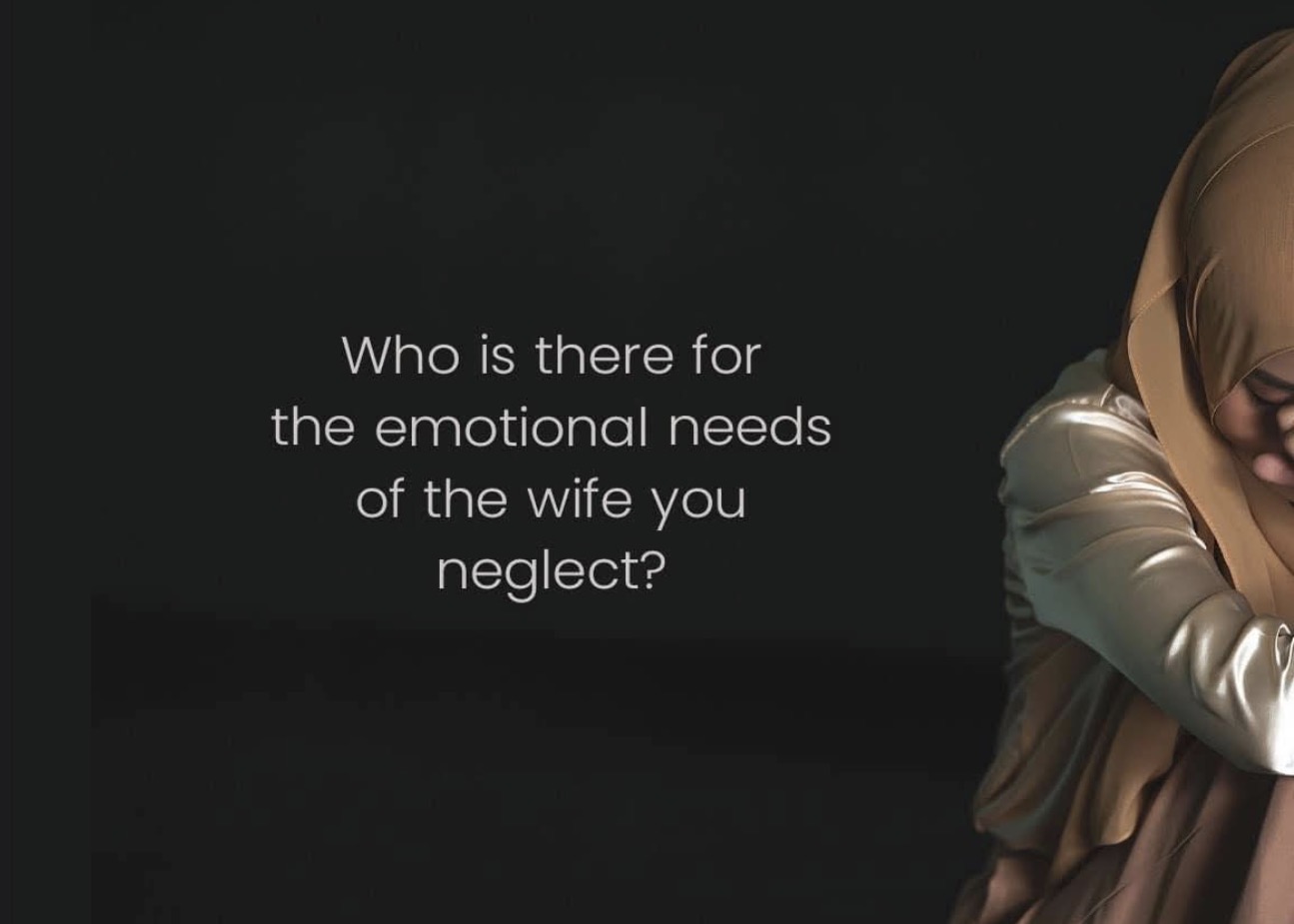
It’s easy to lose track of what’s important in marriage. After several attempts to communicate needs, express concerns, or request changes, your spouse can get tired. Exhausted, actually. And when they reach that point, the marriage enters dangerous territory.
Hopefully, you never get to this point. But if you’re reading this wondering whether your spouse has reached their limit, here are the warning signs.
Seven Signs Your Spouse Is Tired
1. Lack of Communication
A spouse who’s tired will have less and less to discuss with you. Conversations become shorter, surface-level, or disappear altogether. They stop sharing their day, their thoughts, or their feelings. The emotional door closes because opening it has proven pointless too many times.
2. More Frequent Misunderstandings
Even when you do talk, it leads to more arguments and fights. What should be simple discussions become conflicts. Everything feels like a minefield because patience and goodwill have been depleted. The benefit of the doubt no longer exists.
3. Lack of Care and Personal Interaction
Interaction reduces dramatically, and when it does happen, conversations revolve around basic logistics—bills, children’s schedules, household maintenance. Nothing personal between you two. The intimate friendship that should define marriage has evaporated.
4. Intimacy Suffers
Physical connection becomes difficult or non-existent. When it does happen, it feels like a chore—mechanical, passionless, obligatory. The emotional disconnection makes physical intimacy feel hollow or even uncomfortable.
5. Loss of Care
The natural care and concern fade. Even when you’re unwell, it’s difficult for them to show empathy. Not because they’re cruel, but because emotional exhaustion has depleted their capacity to care. They’ve spent years caring without reciprocation.
6. No More Plans With You
Because communication has broken down, you’re no longer included in their plans, goals, and aspirations. They stop talking about the future together because they’ve stopped imagining one. You’re living parallel lives under the same roof.
7. They Stop Investing in the Marriage
The most telling sign: you notice the push for you or the marriage just stops. They’re no longer fighting for the relationship. They’ve stopped trying to fix things, improve things, or even complain about things. The silence is deafening.
What This Really Means
When your spouse reaches this point, they haven’t stopped caring overnight. This is the result of accumulated disappointment, unmet needs, and exhausted hope.
A human will only try for so long. They’ll communicate their needs, request changes, express hurt, and hope for different outcomes. But when those attempts consistently fail, they eventually stop trying. Not because they want to, but because they have to protect themselves from further disappointment.
What Do You Do?
If your spouse has reached this point, recovery is possible—but it requires honest self-reflection and significant effort.
Be Brutally Honest With Yourself
Ask yourself how your spouse got to this point. What needs did you consistently ignore? What requests did you dismiss? What promises did you break? This isn’t about blame—it’s about understanding the accumulated damage.
Go Back to When Things Were Good
Remember when the marriage was thriving. What did your spouse constantly seek and ask for? Emotional connection? Quality time? Appreciation? Help with responsibilities? Physical affection? Honest communication?
When you identify what they needed but didn’t receive, that’s your roadmap for rebuilding.
Begin Giving What Was Missing
Start providing what your spouse has been requesting—sometimes for years. Pay more attention. Engage meaningfully. Be more patient. Show up consistently. Stop making excuses and start making changes.
Understand This Will Be Difficult
A spouse at this phase can be very difficult to win back. They’ve built protective walls after being hurt repeatedly. They won’t immediately trust your changes because they’ve seen temporary improvements before that didn’t last.
You’ll need perseverance as you try to rebuild. Don’t expect quick results or enthusiastic responses. Healing takes time, especially when the wounds run deep.
Seek Professional Help
You got here because you didn’t know how to do things right or didn’t know what to do in the first place. Don’t try to fix this alone. Seek marriage counseling so you don’t make things worse through ignorance, even if your intentions are good.
A professional can help you:
- Understand what your spouse really needs
- Learn effective communication strategies
- Navigate the rebuilding process
- Avoid common mistakes during recovery
- Create sustainable changes, not temporary fixes
The Harsh Reality
Unfortunately, for some marriages, once this point is reached, it’s the beginning of the end. The damage is too extensive. The spouse is too exhausted. The trust is too broken.
Not every marriage can be saved, especially when intervention comes too late.
This is why you should pay attention now.
Don’t Wait Until They’re Tired
The best time to address marriage problems is before your spouse reaches exhaustion. Notice the early signs:
- Repeated requests for the same things
- Expressions of loneliness within the marriage
- Decreased enthusiasm about the relationship
- Increasing emotional distance
When you notice these patterns, act immediately. Don’t wait until they stop trying.
The Bottom Line
Your spouse reaching this point of exhaustion didn’t happen suddenly. It’s the result of accumulated neglect, unmet needs, and broken promises over time.
If you’re seeing these seven signs, your marriage is in crisis. But it’s not necessarily over—if you’re willing to do the honest work of understanding what brought you here and making genuine, sustained changes.
The question is: will you act now, or will you wait until it’s truly too late?
Pay attention to your spouse. Notice their needs. Respond to their requests. Don’t wait until they’re too tired to care anymore.