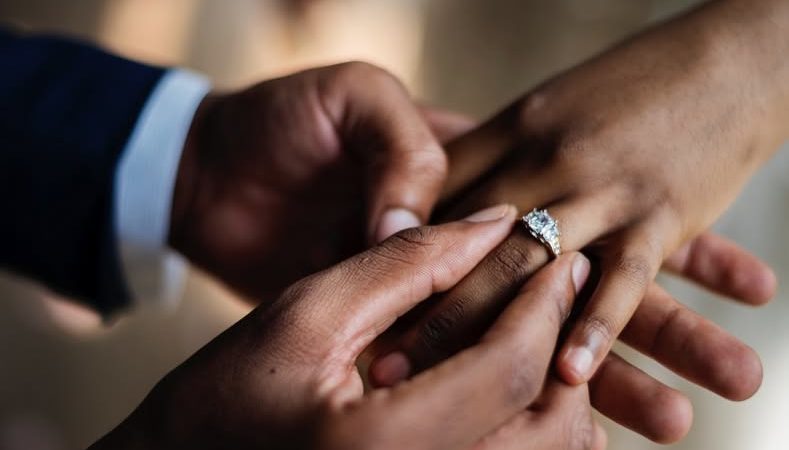
Marriage was supposed to be forever.
That was the plan. But then you married someone unwilling to change, unwilling to try, unwilling to meet you halfway. And despite your best efforts, the marriage didn’t survive.
Now you’re here—lonely, ashamed, scared to admit how difficult this is, and wondering how you ended up in this place.
Is that too much to ask for? Someone to share the journey with? Someone you can truly call yours?
If you’re reading this and recognizing yourself, know this: You’re not alone in this pain, and you’re not wrong for feeling it.
The Loneliness Nobody Talks About
“So here I am, lonely and wondering how I got here.”
Divorce doesn’t just end a marriage—it ends a life you planned. You imagined growing old together. You imagined partnership. You imagined never being alone.
And now you are.
The Shame of Admitting It
The hardest part? You’re scared to even admit that you’re lonely.
There’s an unspoken shame around post-divorce loneliness. You’re supposed to be strong. You’re supposed to be independent. You’re supposed to be grateful for your freedom.
But the truth is: You’re devastated. You’re lost. You’re scared.
And admitting that feels like weakness.
The Complexity of the Decision
“Scared of admitting that the decision is more difficult than I imagined it would be.”
Leaving a marriage—even a bad one—is harder than you expected. You made the right decision, but the right decision doesn’t necessarily feel good. It feels complicated, painful, and lonely.
You didn’t escape to freedom. You escaped to a different kind of prison: isolation and uncertainty.
The Physical Needs Nobody Wants to Discuss
“Then there’s the sexual urge which I now have to come to terms with, sometimes crying myself to sleep.”
This is the part nobody talks about in divorce support groups. Physical needs don’t disappear when a marriage ends. If anything, they intensify because now you don’t have even the unsatisfying outlet you had before.
The Shame Spiral
You have urges. You try to manage them alone. You feel ashamed. You try different coping mechanisms. You feel more ashamed.
And the shame is worse than the original need.
You’re embarrassed to talk about it. You’re embarrassed to admit you use certain coping mechanisms. You’re embarrassed that you’re not as “strong” as you thought you’d be.
But here’s the truth: Having physical needs doesn’t make you weak or improper. It makes you human.
Permission to Be Human
You’re allowed to:
- Have sexual urges after divorce
- Address those needs in private, consensual ways
- Not be ashamed of your body’s needs
- Acknowledge that celibacy isn’t easy for everyone
Your body didn’t stop needing intimacy when your marriage ended. That’s normal. That’s human. That’s not something to cry yourself to sleep over.
The Judgment You Didn’t Expect
“Suitors all over the place judging you before they’ve even met you. Divorced woman so she must be bad for marriage, she must be lonely, she must be horny.”
This is perhaps the cruelest part of post-divorce life: being treated as damaged goods by people who barely know you.
The Stereotypes
Once you’re divorced, certain assumptions follow:
- You must have done something wrong
- You must be desperate
- You must be sexually available
- You should be grateful for any attention
- Your standards should be lower
The Predatory Behavior
The worst part? Some men use this. They approach divorced women with “offers”—treating rejection of a marriage as an invitation to predatory behavior.
They package insults as compliments: “You’re pretty for a divorced woman.” They offer themselves as if they’re doing you a favor.
And because you’re lonely and vulnerable, you might actually consider it.
The Spiritual Crisis
“The bitterness, hurt sometimes questioning the Creator on how and why you, after all, you did good but may He forgive the transgressions.”
Divorce often creates a spiritual crisis. You did everything right—or you thought you did. You prayed. You tried. You forgave. You compromised.
And it still didn’t work.
This can make you question your faith, your worth, and God’s plan.
Finding Meaning in the Wreckage
This is where you have to rebuild spiritually:
- Stop believing you failed God
- Start believing you’re being redirected
- Accept that some people simply can’t be fixed
- Release the guilt that isn’t yours to carry
Your marriage ending doesn’t mean you were a bad wife. It means you were married to someone unwilling to be a good husband.
The Rebuilding Path
Step 1: Stop Accepting Blame That Isn’t Yours
You tried. He didn’t. That’s not a reflection on your worth or your marriageability.
Step 2: Stop Hiding Your Humanity
You’re lonely. That’s okay. You have physical needs. That’s okay. You’re hurt and angry and scared. That’s all okay.
Stop performing strength and start actually healing.
Step 3: Rebuild Your Standards
You’ll meet men who think your divorce means you should accept less. Don’t.
Your divorce should have taught you exactly what you don’t want in a partner. Use that knowledge to demand more, not accept less.
Step 4: Give Yourself Time
Rebuilding after divorce takes years, not months. You’re not weak for struggling. You’re human.
Step 5: Find Community
Connect with other divorced people. Read their stories. Share your story. You’ll realize how common your experience is and how normal your feelings are.
What You Actually Need
All you ever wanted was someone with whom to share the journey.
That’s not too much to ask. You deserve:
- A genuine partner who actually tries
- Someone who values you enough to work on the marriage
- Physical and emotional intimacy
- Acceptance and belonging
- A life that doesn’t feel like a nightmare
But First, You Need to Give These to Yourself
Before you can share your journey with someone, you need to:
- Accept yourself as you are (lonely, sexual, hurt, all of it)
- Stop apologizing for being human
- Rebuild your confidence
- Establish your own direction and purpose
- Heal from the marriage wound
Then, when the right person comes, you won’t be looking for rescue. You’ll be looking for partnership.
Final Thoughts
Divorce is supposed to be an escape from a nightmare marriage. But sometimes it feels like trading one prison for another.
But it doesn’t have to stay that way.
The loneliness, shame, and judgment you’re experiencing right now aren’t permanent. They’re part of the grieving process.
You will get through this. You will rebuild. You will find genuine connection again.
But first, be gentle with yourself. Acknowledge your pain. Accept your needs. Stop hiding your humanity.
You survived an impossible marriage. You can survive this too.